Documents
The Wild Law Institute, on behalf of itself and members of the African Hub of the Global Alliance for the Rights of Nature (GARN), has made a formal submission to the African Commission on Human and Peoples' Rights to help shape the interpretation of Article 24 of the African Charter – the right of all peoples to "a general satisfactory environment favourable to their development."
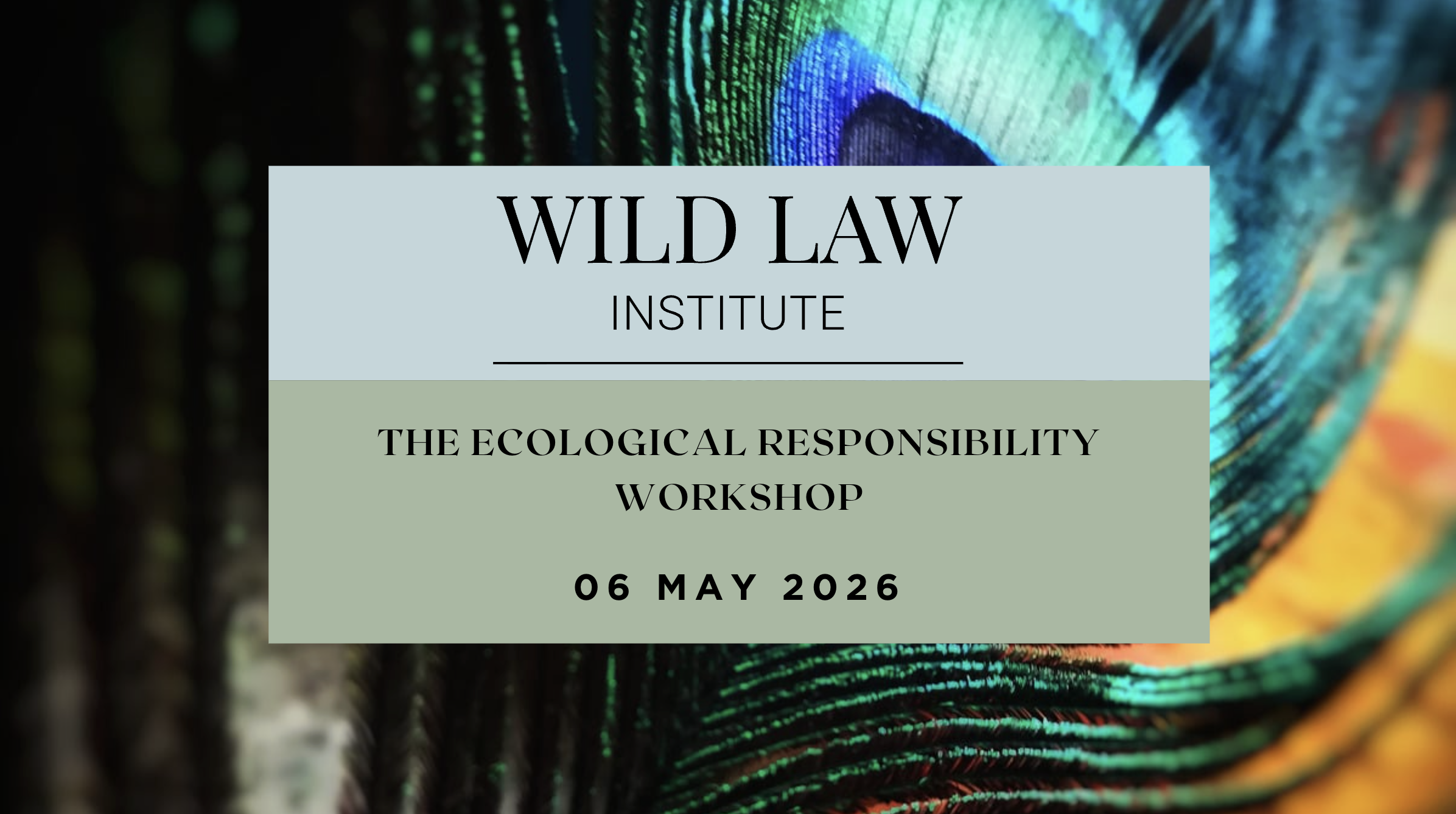
On 6 May 2026 the Wild Law Institute held a workshop with the intention to imagine together an ecological society and future where our community of life can flourish.
On 30 March 2026, the Wild Law Institute, together with 20 African organisations from across the continent, submitted a landmark amicus brief to the African Court on Human and Peoples' Rights.
Bringing African legal traditions, Earth jurisprudence, and the Rights of Nature into the heart of climate law.
Legal and policy measures outline pathways to advance "Harmonious Coexistence within Nature" in South Africa.
Harmonious coexistence aims to "restore Harmonious Co-existence where possible," emphasising protecting wildlife’s "right to be wild and free" and recognising Nature's intrinsic value.
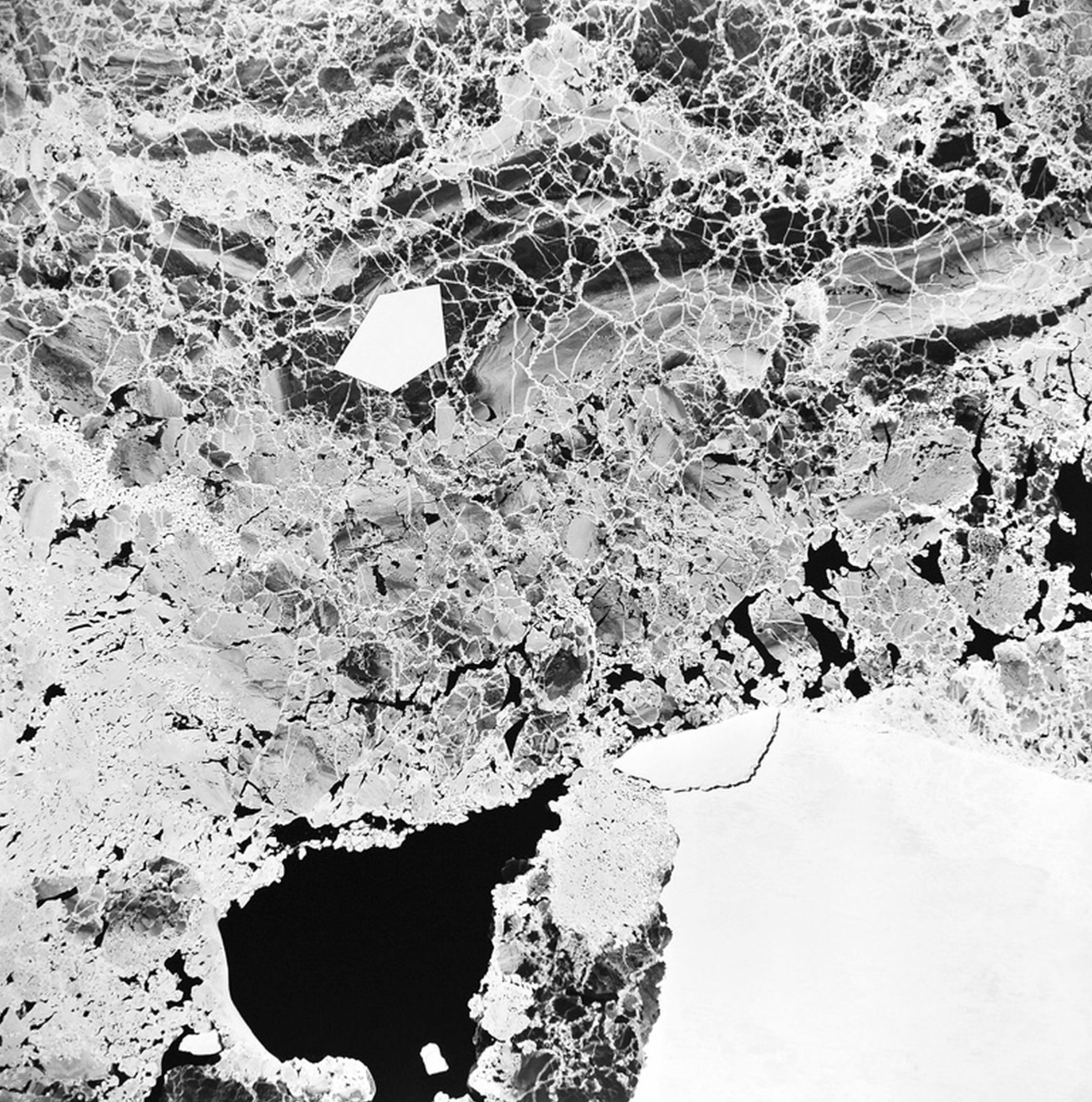
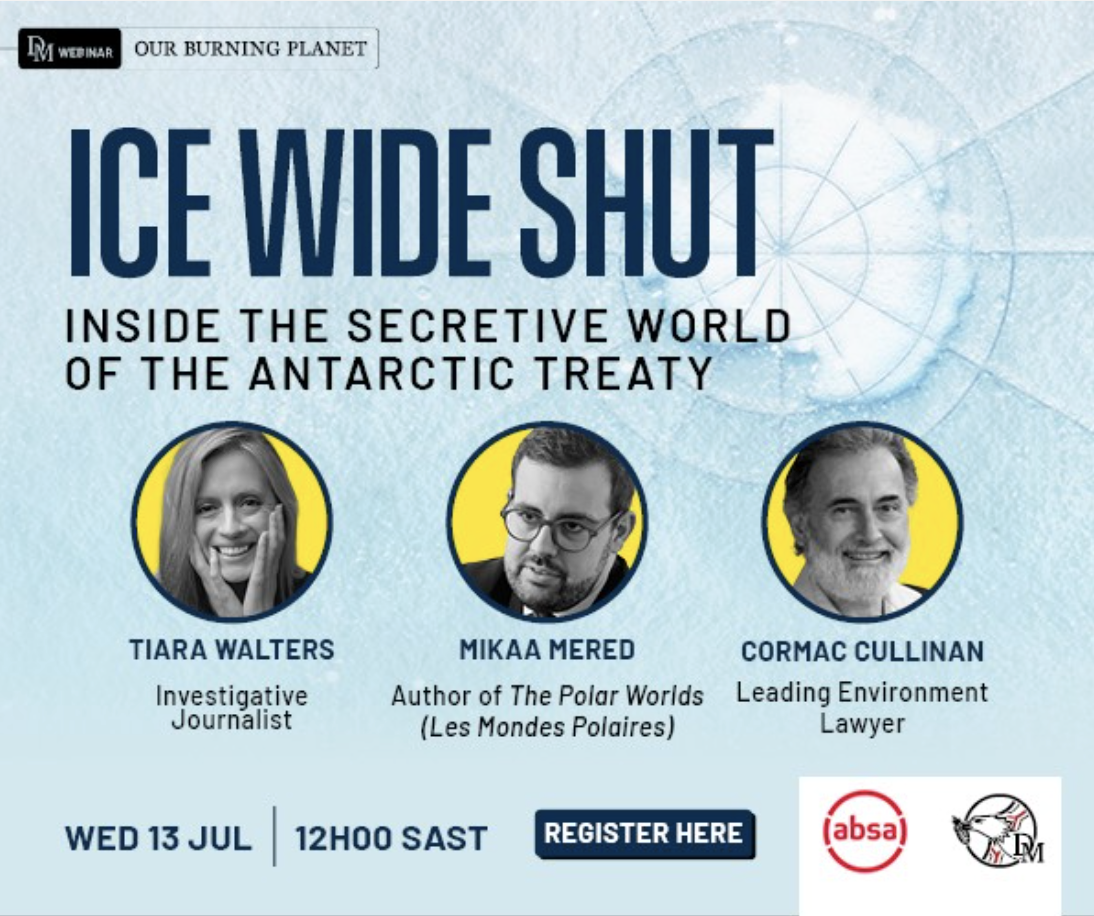
The Madrid Protocol is an international agreement that designates Antarctica and its dependent and associated ecosystems as a natural reserve, dedicated to peace and science.
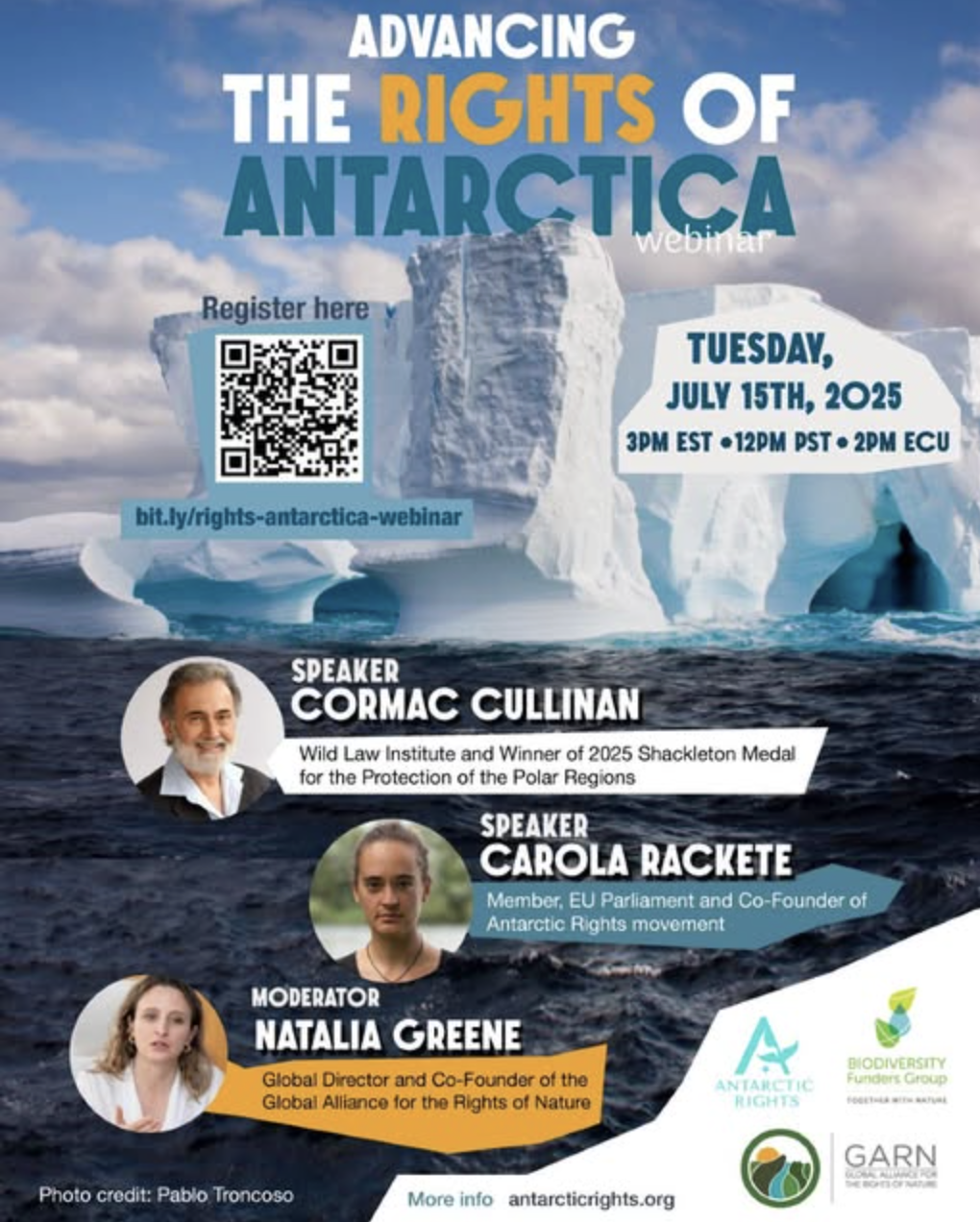
The Antarctica Declaration recognises that all Antarctic beings have rights and aims to strengthen support for Antarctica through global action and eco-centric governance.
A report on the eco-mapping process done by our partners and allies, Dzomo la Mupo, in Mulambwane.
A short introduction on how land is conceived of from an Earth Jurisprudence perspective.
A short introduction to the overlaps between Earth Jurisprudence and African Philosophy.
A short introduction to the relevance of Earth Jurisprudence to the fight against climate change.
Celebrate World Environment Day 2022 by joining the Rights of Nature movement
Comments on the Climate Change Bill by the Wild Law Institute and the EMS Foundation
A short introduction to Earth Jurisprudence and the ways in which it is part of, and contributes to, movements for systemic change to address the huge challenges facing us in the 21st century.
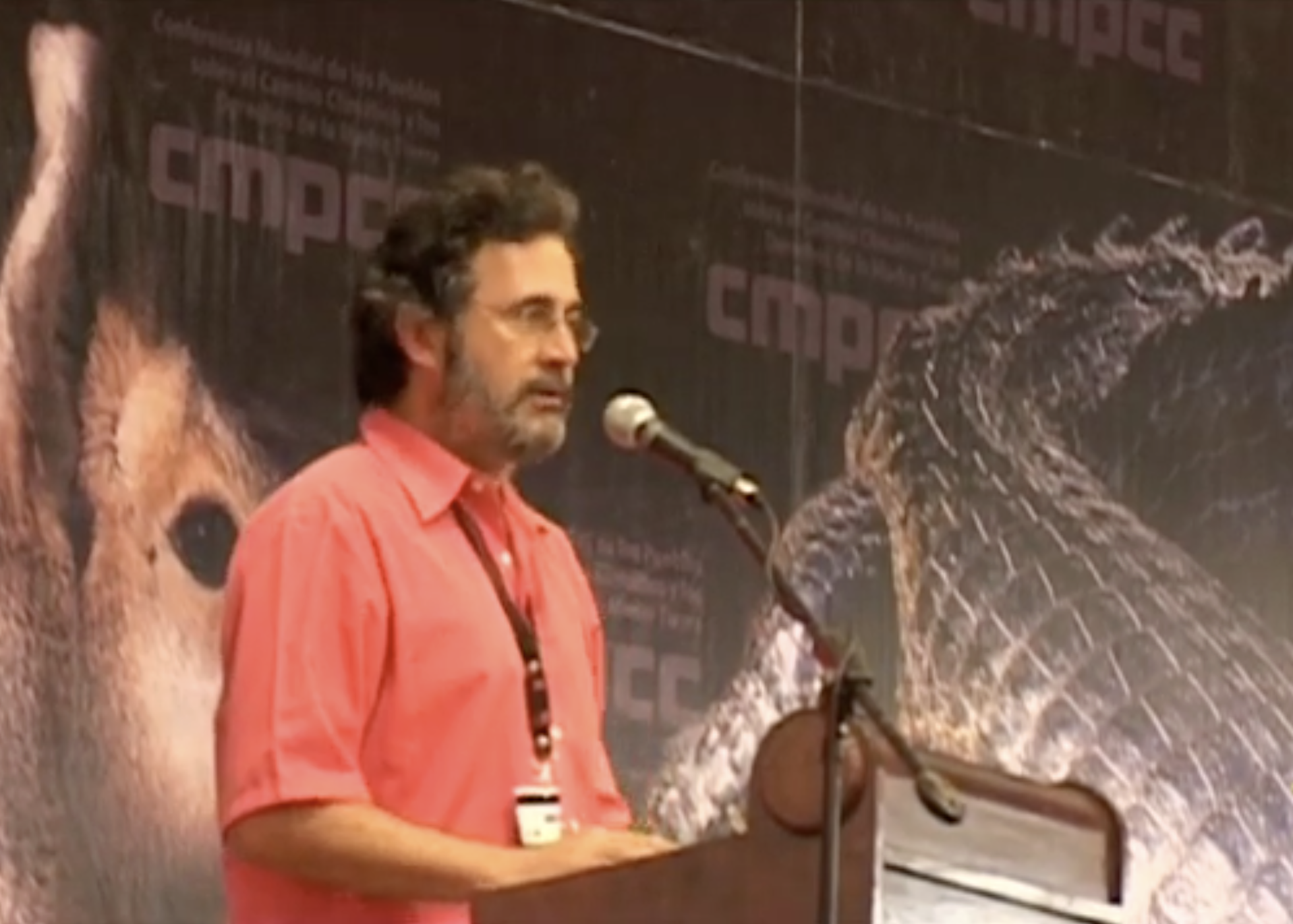
World People’s Conference on Climate Change and the Rights of Mother Earth Cochabamba, Bolivia